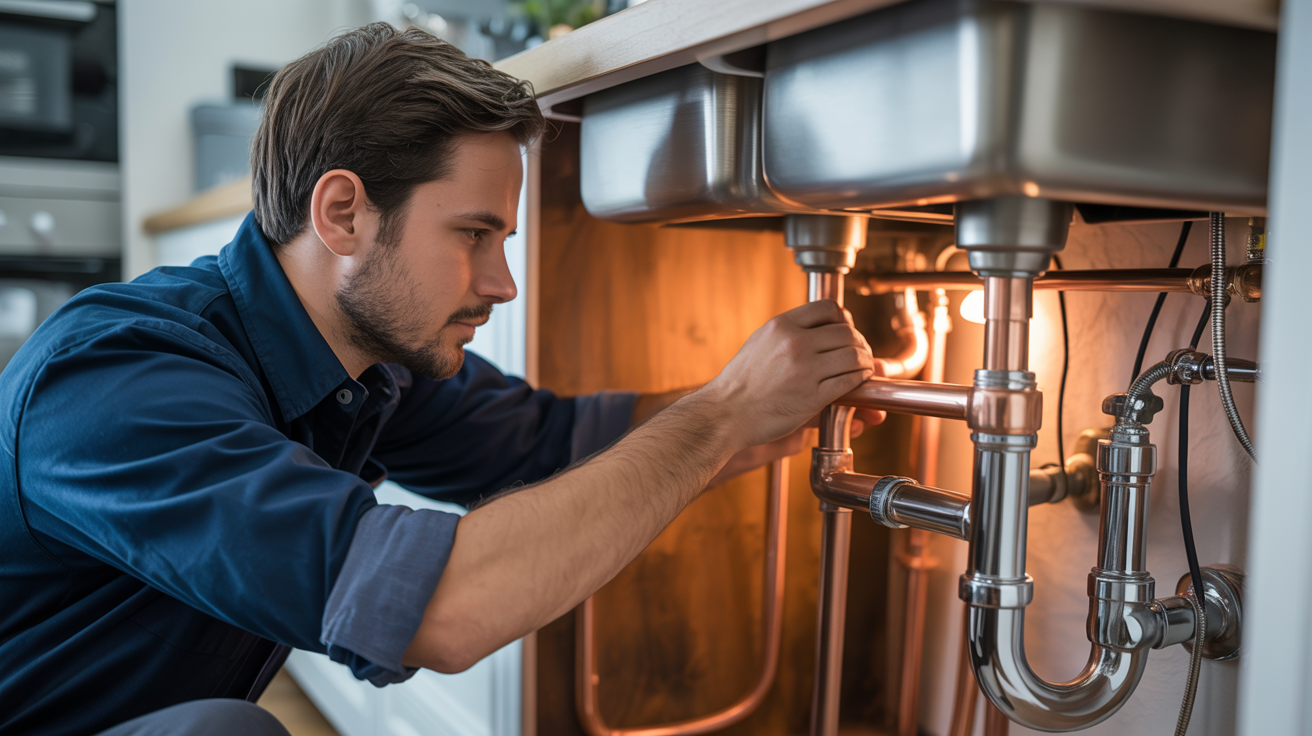
Crawl Space Pipes and Sump Pumps: Preparing for Cold Snaps and Winter Rain in Cameron, Spring Lake and Sanford
Late October is the right time to get ahead of cold snaps and heavy rain in central North Carolina. In Sanford, Cameron, Spring Lake, and nearby communities across Lee County and Harnett County, crawl spaces can take a beating once temperatures dip and winter storms roll through. If your home has pipes under the floor or a sump pump working in a damp crawl space, a little preparation now can help you avoid frozen lines, leaks, moldy odors, and surprise water damage later.
This is especially important in homes with vented crawl spaces, older plumbing, or a sump pump that has not been tested in a while. The good news is that many preventive steps are simple. The better news is that when you do need help, a licensed plumber can handle the tricky parts safely and correctly.
Why crawl space plumbing needs attention before winter
Crawl spaces often stay cooler than the rest of the house, and they can collect moisture when winter rain pushes groundwater up or when drains and pumps are working harder than usual. A pipe that seems fine in mild weather may become vulnerable during a cold snap. Even brief freezing temperatures can create trouble if pipes are poorly insulated, have air leaks around them, or sit in a drafty crawl space.
In Sanford NC and nearby areas of Lee County and Harnett County, winter weather is often a mix of chilly nights, wet spells, and quick temperature changes. That combination makes crawl space plumbing a common place for problems to start. A sump pump that is clogged, undersized, or not draining properly can also leave your crawl space damp just when you need it to stay dry.
Step 1: Look for signs of trouble now
Start with a simple inspection before the first hard cold snap. You do not need to be a plumbing expert to spot common warning signs.
- Wet soil or standing water in the crawl space
- Water stains on joists, insulation, or foundation walls
- Rust on pipe fittings or around the sump pump
- Drips, condensation, or damp pipe insulation
- Musty smells that get stronger after rain
- Pump cycling on and off too often
- Visible gaps where outside air can blow into the crawl space
If you see active leaks, damaged pipes, or electrical concerns around the sump pump, it is best to stop there and call a licensed plumber. Water and electricity do not mix, and crawl space conditions can make repairs more complicated than they look.
Step 2: Insulate exposed pipes the right way
Pipe insulation is one of the easiest ways to reduce freeze risk in a crawl space. Foam pipe sleeves are common and affordable, and they can help protect exposed hot and cold water lines from cold air. In many homes, this is a straightforward DIY job if the pipes are easy to reach and in good condition.
Typical range: basic foam pipe insulation materials often cost about $10 to $40 for a small project, while larger or more complex setups may cost more. If pipes are tightly packed, oddly shaped, or already damaged, a licensed plumber can recommend the best insulation approach.
When insulating, make sure the material fits snugly and covers elbows, joints, and other exposed sections. Insulation works best when it is part of a broader plan that also includes air sealing and moisture control.
Step 3: Seal drafts and reduce cold air movement
Cold air entering through crawl space vents, gaps around plumbing penetrations, or loose access doors can chill pipes fast. Before winter settles in, check for obvious openings where outside air can get in. Sealing those leaks can make a real difference.
- Close and latch the crawl space access door securely
- Seal gaps around pipe penetrations with appropriate materials
- Repair torn vapor barriers if present
- Replace damaged or missing crawl space insulation
- Address cracked vents or open areas that let in drafts
Some sealing tasks are homeowner-friendly, but if you find major gaps, water intrusion, or failing insulation, a plumber or crawl space professional may need to evaluate the area. In homes across Cameron, Spring Lake, Sanford, and surrounding parts of Lee County and Harnett County, the cause of the problem is often more than one issue at once.
Step 4: Test the sump pump before the rain arrives
Your sump pump should not be a mystery appliance. Test it before the wetter winter months arrive so you know whether it is ready for service. Pour water slowly into the sump pit and watch to see whether the pump turns on, moves water out efficiently, and shuts off properly when the pit empties.
Listen for unusual noises such as grinding, rattling, or humming without pumping. Those can point to a failing motor, a jammed impeller, or a discharge problem. If the pump does not turn on, runs constantly, or leaves water behind, it needs attention right away.
A sump pump replacement can be a smart investment if the current unit is old, unreliable, or undersized. Typical range: a straightforward sump pump replacement often runs about $600 to $1,500, depending on the pump, access, and any plumbing corrections needed. More complex installations may cost more. A licensed plumber can help size the pump correctly and make sure the discharge line is set up to move water away from the home.
Step 5: Keep the discharge line clear
A sump pump can only do its job if water has somewhere to go. Walk outside and check the discharge line to make sure it is not clogged, frozen, broken, or pointed where it can send water back toward the foundation. During winter rain, a blocked discharge line can leave your crawl space just as wet as if you had no pump at all.
Make sure the outlet is clear of leaves, mulch, dirt, and debris. If the line runs a long distance or exits into a tricky area, a plumber can inspect the setup and suggest improvements. This is especially helpful for homes in low-lying areas where standing water is more likely during wet weather.
Step 6: Know when a licensed plumber is the best choice
Some crawl space tasks are simple. Others are best left to a licensed plumber because they involve water lines, drainage design, pump sizing, or repairs that affect the whole house.
Call a licensed plumber if you notice:
- Frozen, cracked, or leaking pipes
- A sump pump that will not start or will not stop
- Repeated standing water in the crawl space
- Damaged shutoff valves, fittings, or drain lines
- Low water pressure after a cold snap
- Evidence that a pipe burst under the house
A professional can also check whether your system needs better insulation, rerouting, a backup pump, or drainage improvements. In Lee County and Harnett County, a proper repair now can save a homeowner from much bigger water damage later.
Step 7: Prepare for outages and severe weather
Winter storms can bring power interruptions, and that matters if your sump pump relies on electricity. If your home has had drainage problems before, ask a plumber about backup options. Battery backup systems, alarms, and upgraded discharge setups can add peace of mind when the weather turns rough.
It is also smart to know where your main water shutoff is located before you need it. If a pipe does freeze or burst, shutting the water off quickly can limit damage while you wait for service. Keep the area around the crawl space access clear so a plumber can get in easily if needed.
Why this matters for homeowners in central North Carolina
Homes in Sanford NC, Cameron, and Spring Lake face a mix of weather patterns that can be hard on crawl spaces: cool nights, wet winter systems, and periods of high moisture. That is why homeowners in Lee County and Harnett County should treat crawl space plumbing as part of regular seasonal home care, not something to think about only after a problem appears.
When you stay ahead of frozen pipes and sump pump issues, you protect not just the crawl space but the rest of the home too. Dry crawl spaces help reduce odors, lower the risk of water damage, and keep plumbing systems working as they should.
Find a licensed local plumber the easy way
If you would rather not crawl under the house or if you suspect a plumbing problem is already starting, SanfordNCPlumbers.com can help you find a licensed local plumber. It is a simple way for homeowners in Sanford, Cameron, Spring Lake, and nearby areas of Lee County and Harnett County to connect with a qualified professional who can inspect, repair, or replace crawl space pipes and sump pumps before winter weather gets worse.
Frequently Asked Questions
How do I know if my crawl space pipes are at risk of freezing?
Exposed pipes, weak insulation, drafty crawl space openings, and signs of cold air movement all raise the risk. If you are unsure, a licensed plumber can inspect the space and point out the most vulnerable areas.
Should I run my sump pump before winter rains start?
Yes. Testing the pump before the wet season is a smart idea. Pour water into the pit and make sure the pump turns on, drains properly, and shuts off normally.
Can I insulate crawl space pipes myself?
In many cases, yes, if the pipes are easy to reach and in good condition. If you find leaks, damaged fittings, or tight working conditions, it is better to call a licensed plumber.
What should I do if my sump pump stops working during a storm?
If water is rising, avoid electrical hazards and call a licensed plumber right away. A failing sump pump can lead to fast water damage, so quick professional help is the safest option.