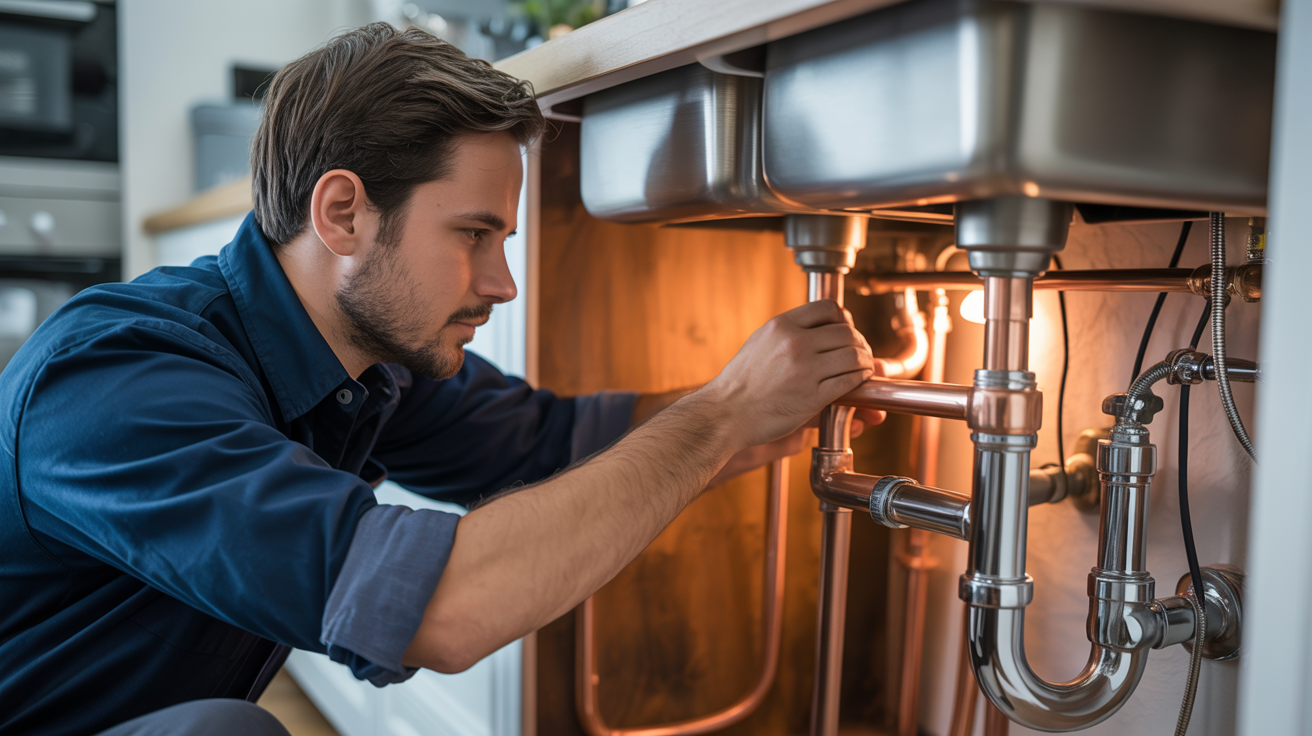
October is the right time to give your plumbing system a little attention before cooler weather settles in across Sanford, Cameron, Spring Lake, Broadway, Lillington, and the surrounding communities in Lee County and Harnett County, North Carolina. A simple fall plumbing checklist can help you catch small issues early, protect your home from leaks and clogs, and reduce the chance of a cold-weather surprise when you least want one.
North Carolina fall weather can swing from warm afternoons to chilly nights, which means your plumbing is about to face changing conditions. That makes early October a smart time to inspect hoses, drains, water heaters, toilets, and outdoor fixtures. Here is a practical guide homeowners can use right now.
1. Check for leaks under sinks and around fixtures
Start with the places most likely to show signs of wear: under kitchen sinks, bathroom vanities, around toilets, behind the washing machine, and near the water heater. Use a flashlight and look for damp cabinet bottoms, corrosion on shutoff valves, small puddles, or water stains.
If you catch a slow leak now, you may be able to avoid bigger damage later. Tightening a loose supply line connection is sometimes a simple fix, but if you see active dripping, recurring moisture, or water coming from inside a wall or ceiling, it is time to call a licensed plumber. Hidden leaks can spread quickly and should be handled promptly.
2. Test all faucets and shutoff valves
Turn each faucet on and off to make sure it operates smoothly. While the water is running, watch for a weak stream, sputtering, or water leaking at the base of the handle. Then test the shutoff valves under sinks and behind toilets. They should turn without excessive force.
Valves that are stuck, corroded, or partially seized are common in older homes throughout Sanford and nearby Lee County and Harnett County neighborhoods. Replacing a worn valve is often a job for a plumber, especially if the valve is difficult to reach or if the pipe connections are older and fragile.
3. Flush your water heater
Your water heater works hard year-round, and fall is a good time to remove sediment before colder water temperatures increase demand. Sediment buildup can reduce efficiency and shorten the life of the unit. If you have a tank-style water heater, flushing it once a year is often recommended.
Some homeowners are comfortable with basic maintenance, but if your water heater is leaking, making popping noises, showing rust at the base, or failing to heat properly, call a licensed plumber. A professional can inspect the tank, test safety components, and advise whether repair or replacement makes the most sense. Typical repair ranges can vary widely, but minor service calls often cost less than replacing a failing water heater.
4. Inspect outdoor hose bibs and shut off exterior water lines
Outdoor spigots are easy to forget until temperatures drop. Check each hose bib for drips, cracks, or looseness. Disconnect garden hoses before the first cold snap and drain them completely. If your home has shutoff valves for exterior lines, consider closing them for the season.
In Sanford, Cameron, Spring Lake, and surrounding areas, early fall is also a good time to check for frost-prone spots around exterior walls and crawl spaces. If you do not know whether your outside faucets are frost-proof, or if you suspect a line is exposed, have a plumber inspect it. A small preventive visit is far less stressful than repairing a burst pipe later. Typical preventive service calls can vary, but they are often far less costly than emergency water damage repairs.
5. Clean drains before they slow down
Fall gatherings, school schedules, and holiday prep often mean more kitchen and bathroom use. That is the perfect time to clean drains before buildup turns into a clog. Remove hair from shower drains, clean sink strainers, and avoid pouring grease down the kitchen sink.
For a basic refresh, flush drains with hot water and use a drain strainer. Avoid chemical drain cleaners whenever possible, since they can damage pipes and make professional repairs more complicated. If a drain is repeatedly slow, gurgles, backs up, or smells bad, you may have a deeper blockage that needs professional cleaning. A licensed plumber can use the right tools to clear the line without harming your pipes.
6. Look for signs of sewer or main line trouble
Multiple slow drains at once, toilets that bubble when another fixture is used, and sewage odors around drains are all warning signs that should not be ignored. In homes across Lee County and Harnett County, tree roots, shifting soil, and aging lines can all contribute to sewer issues.
These are not DIY problems. If you suspect a sewer line or main drain issue, call a licensed plumber right away. A plumber can inspect the system, locate the blockage, and recommend the proper repair. Catching the problem early can help reduce disruption and cost.
7. Check toilets for leaks, wobble, and running water
A toilet that runs constantly wastes water and often signals a worn flapper, fill valve, or chain issue. Add a few drops of food coloring to the tank and wait about 15 minutes without flushing. If color appears in the bowl, you have a leak between the tank and bowl.
Also check whether the toilet rocks when you sit on it. A wobbly toilet can damage the wax ring and cause leaks at the base. Tightening bolts may help in some cases, but a loose toilet can also mean floor damage or a failing seal. If water is showing around the base, call a plumber. Repairs usually are straightforward when handled early.
8. Protect exposed pipes before cold snaps
Even in central North Carolina, October and November can bring chilly nights that catch homeowners off guard. Pipes in unheated garages, crawl spaces, attics, and exterior walls should be insulated before the coldest weather arrives. Foam pipe insulation is an easy first step for exposed pipes.
If your home has pipes in vulnerable areas, keep cabinet doors open during freezes and let a small trickle of water run if temperatures drop hard. If you are unsure which pipes are at risk, a licensed plumber can help identify problem areas and suggest the right insulation or rerouting solution. Some pipe insulation materials are inexpensive, while more involved freeze protection upgrades can cost more depending on access and layout.
9. Review your sump pump or crawl space drainage, if you have one
If your home has a sump pump or drainage system, test it before the wetter months arrive. Pour a bucket of water into the pit and confirm that the pump activates and removes water properly. Make sure the discharge line is clear and directed away from the house.
Homes with crawl spaces in Sanford, Broadway, and rural parts of Lee County and Harnett County may benefit from extra attention here, especially if the area stays damp after rain. If the pump does not turn on, runs continuously, or struggles to move water, have a plumber inspect it. Backup systems and replacement pumps are best handled by a professional.
10. Know when to call a licensed plumber
Some fall plumbing tasks are simple homeowner maintenance. Others are best left to a licensed plumber for safety, code compliance, and long-term reliability. Call a professional if you notice:
- Repeated clogs or slow drains in more than one fixture
- Leaks inside walls, ceilings, or crawl spaces
- Water heater problems such as rust, noise, or no hot water
- Frozen, cracked, or burst pipes
- Low water pressure that appears suddenly
- Toilets or fixtures that move, leak, or will not shut off properly
Licensed plumbers bring experience, proper tools, and the ability to solve problems correctly the first time. That matters when you are trying to protect your home before winter weather arrives.
Find a local plumber in Sanford, NC
If your fall checklist turns up a problem you do not want to tackle yourself, SanfordNCPlumbers.com can help you find a licensed local plumber serving Sanford, Cameron, Spring Lake, Lee County, Harnett County, and nearby communities. It is a simple way to connect with a plumbing professional who can handle repairs, maintenance, and seasonal service with the right training and care.
Frequently Asked Questions
When should I start fall plumbing maintenance in Sanford, NC?
Early October is a great time to begin. That gives you enough time to handle small repairs before colder weather arrives in Lee County and Harnett County.
Do I need to winterize outdoor faucets in central North Carolina?
Yes, it is a smart precaution. Disconnect hoses, drain them, and shut off exterior water lines if your home has that option.
How often should a water heater be flushed?
For many homes, once a year is a common maintenance schedule. If your water heater is older or heavily used, a plumber can advise whether it needs more frequent service.
What plumbing problems should never wait until winter?
Active leaks, sewer odors, recurring clogs, water heater failures, and any sign of a burst or frozen pipe should be addressed right away by a licensed plumber.